November 29, 2026
In many neighborhoods, trees serve not just as sources of beauty and shade but also as historical markers that remind us of the passage of time. When these trees become diseased, homeowners often face the difficult decision of whether to save or remove them. The choice involves not only emotional considerations, such as the attachment to a tree that has been part of the family landscape for decades, but also practical ones, including costs, safety, and property value implications. This decision demands a balance between sentimentality and pragmatism, underpinned by a thorough evaluation of the tree's health and potential risks. This article explores the multifaceted considerations homeowners must navigate when confronted with the dilemma of a diseased tree.
The Importance of Evaluating Tree Health
Identifying Visual Signs of Disease
Evaluating tree health begins with keen observation of visual signs. Diseased trees may exhibit discolored or wilting leaves, fungal growths like mushrooms at the base, or bark abnormalities such as cracks and peeling. Each of these indicators can suggest different underlying problems that range from nutrient deficiencies to serious infections. Often, immediate signs of distress can be identified during seasonal changes, particularly in the spring when new growth is expected to appear. Early intervention by recognizing these signs can prevent further deterioration of the tree's health.
Understanding Different Tree Diseases
Understanding the specific diseases that can affect trees helps in determining the best course of action. Common diseases such as Dutch elm disease or oak wilt pose significant threats to particular species. The causes of these diseases range from fungal infections to viruses and pests, each requiring different management techniques. The impact they have on trees can lead not only to aesthetic damage but also to structural weaknesses. Homeowners should dedicate time to learning about prevalent diseases in their area to better protect their trees.
Consulting a Professional Arborist
When facing uncertainty about a tree's health, consulting with a professional arborist is often recommended. Arborists are trained experts who can accurately diagnose tree diseases and suggest appropriate treatments. Assessing whether a tree should be saved or removed involves considering factors beyond visible symptoms, such as internal decay or root damage. According to Today's Homeowner, a tree that's more than 50% decayed or damaged may need to be removed. Professional assessments can provide clarity and confidence in making informed decisions about your tree's future.
Using Technological Tools for Diagnosis
Advancements in technology have introduced new ways to diagnose tree problems more accurately. Tools such as tree ultrasounds and tomography scans allow for non-invasive evaluation of a tree's internal structure. These technologies can detect cavities, decay, and even pest infestations that are not visible to the naked eye. By understanding the extent of internal damage, homeowners can better decide whether preservation is feasible. This scientific approach provides a data-backed assessment, enhancing decision-making accuracy regarding tree health.
The Role of the Season in Tree Health Evaluation
The time of year plays a significant role in assessing and addressing tree health. During different seasons, trees show various symptoms and responses, making certain diseases more apparent at specific times. For example, fall might reveal issues as leaves change color, while spring offers a chance to see new growth patterns. Interventions such as pruning or treatment applications often vary with the seasons to ensure effectiveness. Understanding seasonal influences can optimize when and how to act on tree health concerns.
When Tree Removal is the Best Option
Indicators That a Tree Cannot Be Saved
Some conditions indicate that a tree cannot be saved and removal is unavoidable. Major structural damage, severe root rot, or extensive internal decay usually mean the tree cannot recover. If over 50% of a tree is compromised, as said by Today's Homeowner, removal may be the safest option. In such cases, leaving the tree standing poses significant risks of failure. Understanding these indicators ensures that homeowners make timely decisions prioritizing safety and future landscape plans.
Environmental and Safety Concerns
Safety and environmental concerns can necessitate tree removal. Diseased trees that are structurally unsound pose tangible risks to people, buildings, and power lines, especially during storms. Additionally, some trees might be damaging to the environment, harboring pests, or diseases that threaten the surrounding ecosystem. When trees are removed preemptively, it reduces the chance of these issues escalating. In some situations, removal helps preserve the environment more broadly by addressing ecological risks.
Understanding the Tree Removal Process
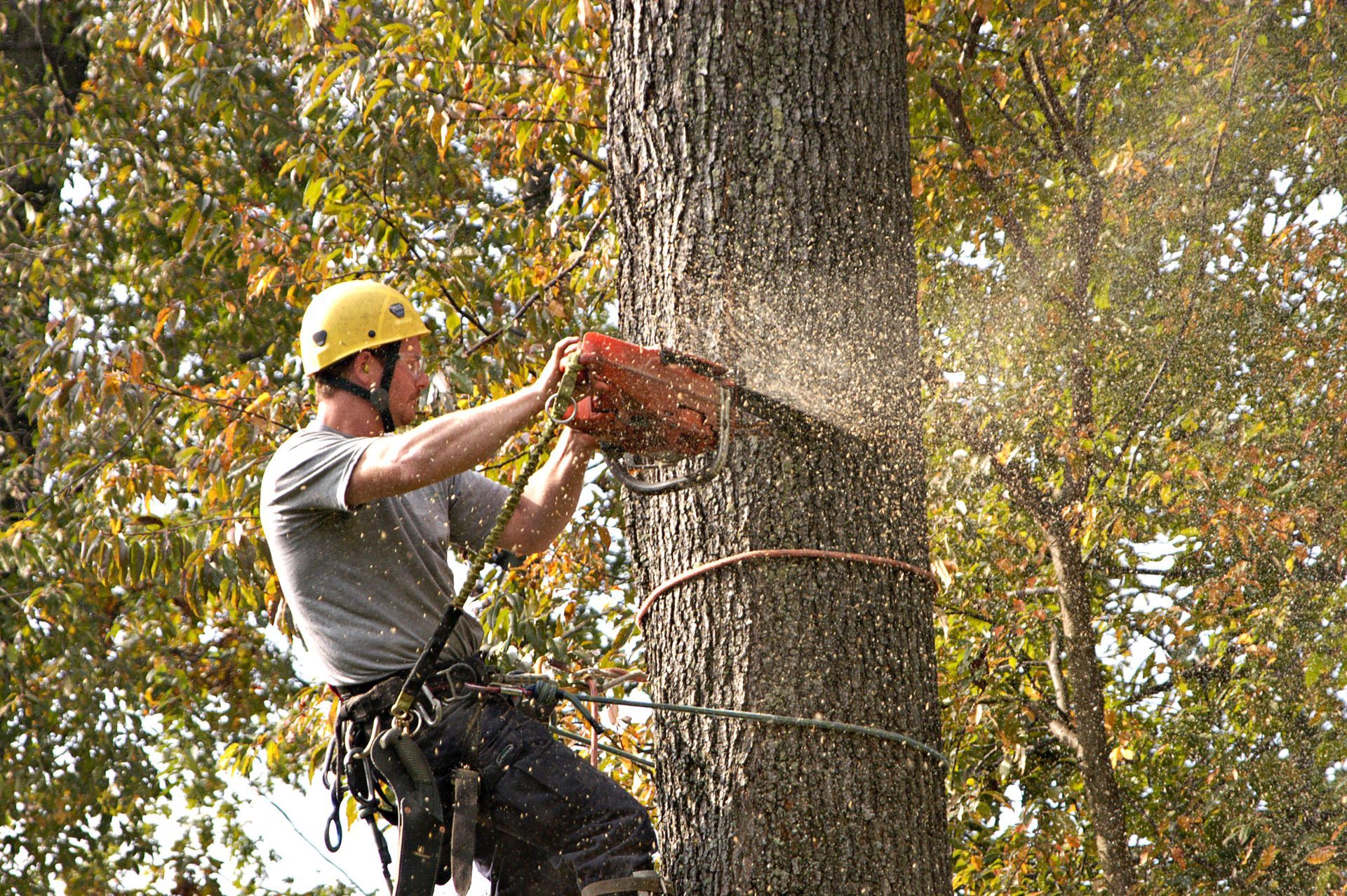
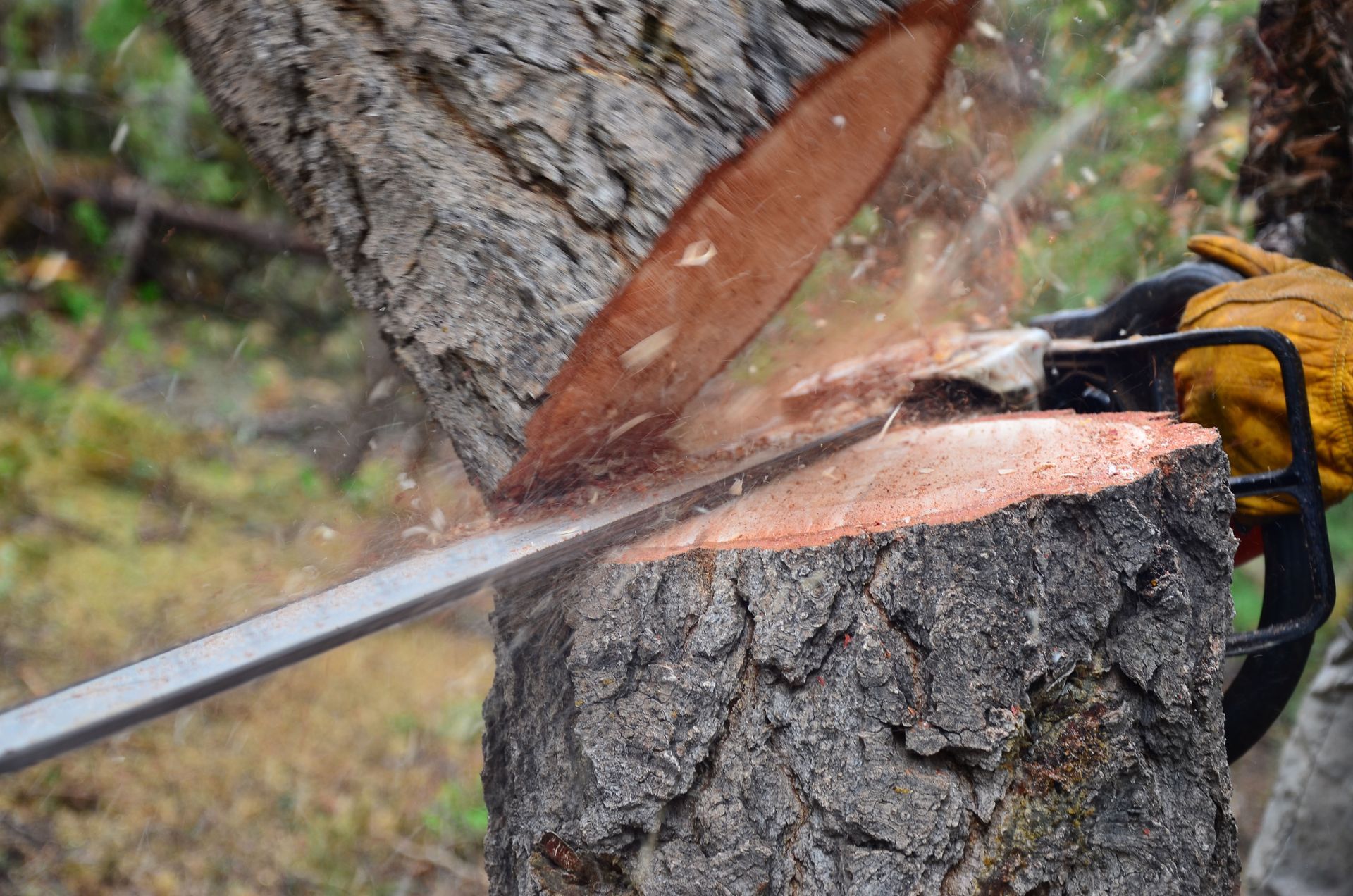
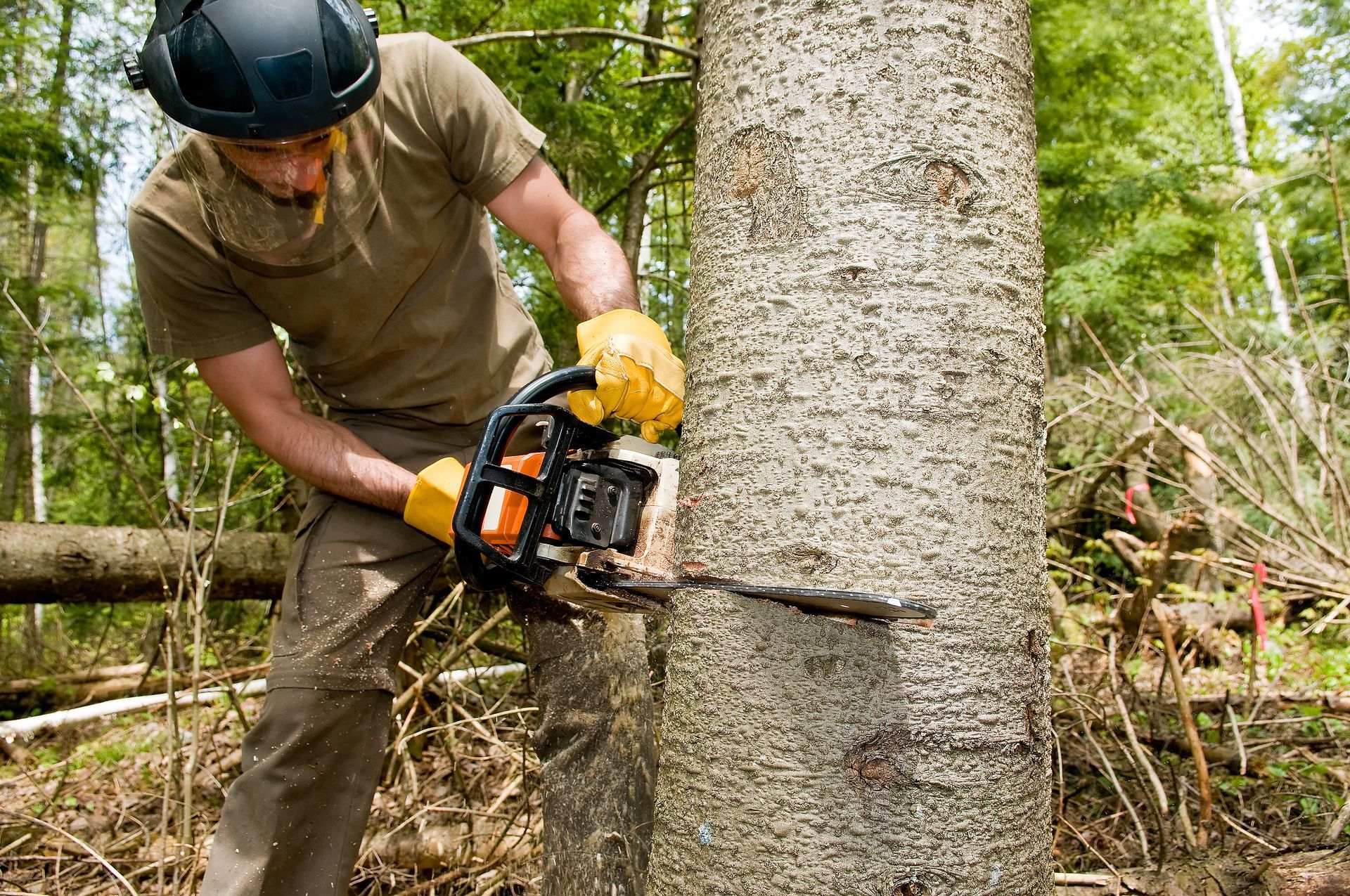
The tree removal process involves several key steps and professionals to ensure efficiency and safety. It typically begins with an evaluation to plan the best removal strategy, often requiring the expertise of arborists or specialized tree removal services. The preparation phase considers safety precautions, including determining fall zones and potential hazards. Actual removal may involve cutting branches and trunk sections systematically to prevent damage. Knowing what to expect can alleviate anxiety and ensure homeowners are prepared for the logistical elements of tree removal.
The Emotional Impact of Tree Removal
Removing a tree can carry a significant emotional impact, particularly when a tree has been a longstanding part of a home's landscape. Homeowners might feel sorrow or loss akin to losing a family member or a piece of history. Acknowledging these feelings is essential, and some people choose to commemorate the tree in special ways, such as planting a new tree or creating a keepsake from its wood. Emotional readiness and proper closure can turn a challenging decision into an opportunity for new beginnings in the landscape. Support from family, neighbors, or online communities can also aid in managing the emotional aspect of tree removal.
Legal and Regulatory Considerations
Local Laws and Permits for Tree Removal
Before proceeding with tree removal, homeowners must familiarize themselves with local laws and required permits. Municipal codes often regulate tree removal to ensure community safety and preserve environmental integrity. Obtaining necessary permits might include consultations with local agencies or compliance checks to confirm that removal aligns with civic guidelines. Ignoring these legal considerations can result in fines or legal disputes. Adhering to the legal framework ensures that homeowners remain compliant while managing their properties responsibly.
Homeowners Association Rules
For those in regulated communities, homeowners associations (HOAs) may have specific rules regarding tree removal. These guidelines govern aesthetics, safety, and ecological concerns within communal living environments. Homeowners are typically required to seek HOA approval before making significant landscape changes, including the removal of trees. Understanding these rules can avoid conflicts and penalties while promoting harmonious neighborhood relations. Being informed about HOA expectations helps align personal landscaping goals with broader community standards.
Liability Considerations
Liability is a critical factor in decisions regarding tree management on one's property. Homeowners have a responsibility to maintain safe environments, which includes addressing hazardous trees. Negligence in removing unsafe trees can lead to liability for damages or injuries resulting from fallen trees or branches. Insurance policies often highlight clauses related to tree damage and liability, urging proactive risk management. Staying ahead of potential hazards protects homeowners from unexpected legal and financial repercussions.
Federal and State Conservation Efforts
In some regions, federal and state conservation efforts impact decisions regarding tree management. These legislations prioritize preserving native species and protecting endangered ecosystems from invasive threats. Projects or plans that interfere with conservation goals may require specific exemptions or alternative strategies. Awareness of conservation laws guides responsible tree management and emphasizes environmental stewardship. Complying with these regulations ensures alignment with larger environmental protection objectives at both the state and national levels.
Deciding whether to save or remove a diseased tree is a multifaceted process that requires careful consideration of various factors, including health assessments, environmental impacts, costs, and emotional attachments. The involvement of professional expertise, technological tools, and community resources can greatly aid homeowners in making informed decisions. Each choice should reflect a balance between pragmatic considerations and a commitment to preserving the natural beauty and ecological value of trees. By staying informed and proactive, homeowners can navigate the challenges of tree management responsibly and effectively, ensuring the health of their outdoor environments. Ultimately, the thoughtful management of diseased trees contributes not just to individual properties but to broader ecological health and community well-being. Reach out to Veteran Tree Services, LLC today to see how we can help you!